Bicentennial Quarter Value 2026 has become a widely discussed topic among collectors and everyday Americans who are curious about the worth of the special quarter issued during the United States Bicentennial celebration. The coin was released in 1975 and 1976 to commemorate the 200th anniversary of American independence, and its unique design immediately distinguished it from standard quarters. While millions were minted, certain variations and preserved examples have gained noticeable value over time.
Historical Coin Background
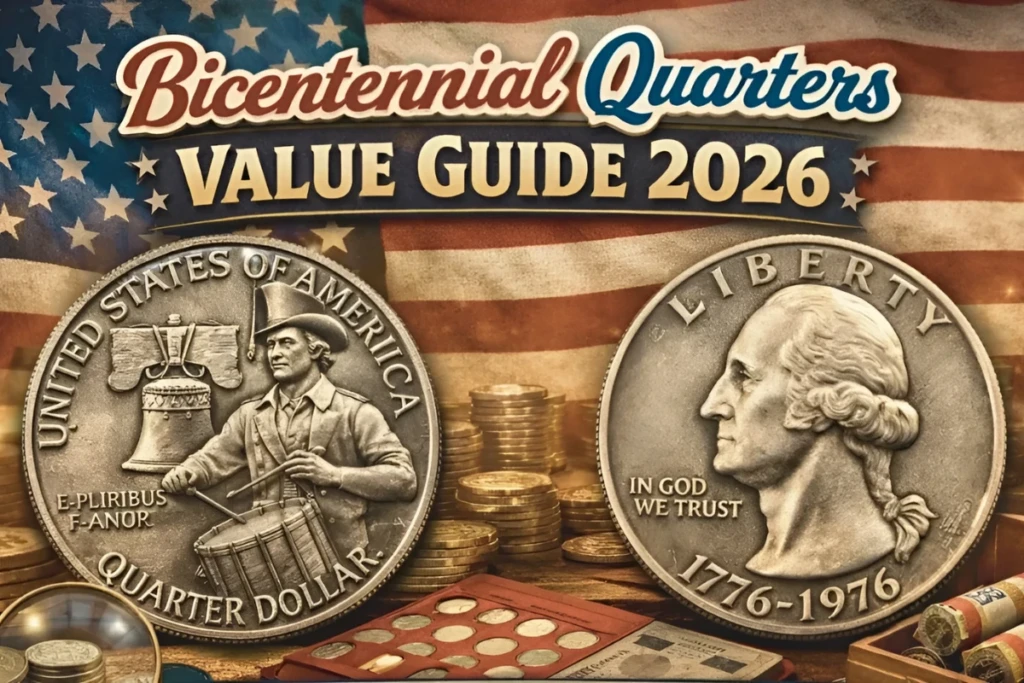
The Bicentennial quarter was part of a national coin redesign program launched to celebrate the country’s 200-year anniversary. Instead of the traditional eagle on the reverse, the coin features a Colonial drummer and a victory torch surrounded by thirteen stars representing the original colonies.
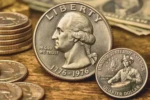
The obverse still displays the portrait of George Washington, but the date is shown as “1776–1976” rather than a single year. This dual date became one of the defining features that made the coin instantly recognizable across the United States.
Design Symbolism Meaning
The drummer image symbolizes the spirit of the American Revolution and the role ordinary citizens played in the fight for independence. The torch and stars were added to represent unity and victory, reinforcing the patriotic message behind the coin’s design.
This symbolic artwork was created by artist Jack L. Ahr, whose design won a national competition organized by the U.S. Mint. The result was a coin that combined historical meaning with visual uniqueness.
Mint Production Numbers
Despite its special design, the Bicentennial quarter was produced in extremely large quantities. The U.S. Mint struck hundreds of millions of these coins across multiple facilities, ensuring they entered everyday circulation nationwide.

Because of this massive production, most Bicentennial quarters remain common today. However, specific versions such as silver composition coins or high-grade examples can still command notable prices.
Mint Locations Data
The coin was produced at three major U.S. Mint facilities, each marked by a specific mint mark or the absence of one. These mint locations influenced both production totals and the potential value of certain coins today.
| Mint Location | Mint Mark | Estimated Mintage | Composition Type |
|---|---|---|---|
| Philadelphia | None | ~809 million | Copper-Nickel |
| Denver | D | ~860 million | Copper-Nickel |
| San Francisco | S | ~11 million | 40% Silver / Proof |
Philadelphia and Denver coins were intended for circulation, while San Francisco produced collector versions, including silver proof coins.
Circulation Coin Value
Most Bicentennial quarters found in everyday circulation still hold a value close to their face value. Because the coins were produced in such large numbers, the majority of worn examples are only worth twenty-five cents.
However, coins that remain in exceptionally clean condition, especially those graded in mint state, can be worth several dollars. The value increases significantly when a coin shows sharp details, minimal wear, and original mint luster.
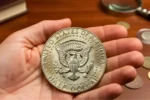
Silver Composition Versions
A smaller number of Bicentennial quarters were minted with a special 40% silver composition for collectors. These coins were never meant for general circulation and were sold in proof or uncirculated sets.
Silver versions tend to have a noticeably higher value because of both their metal content and lower mintage. Depending on condition, they can sell for several dollars to over twenty dollars in the collectors market.
Condition Grade Impact
Coin grading plays a major role in determining the Bicentennial quarter value in 2026. Collectors carefully evaluate factors such as surface marks, strike quality, and overall preservation when assigning a grade.
Higher grades such as MS-65 or above often bring much stronger prices compared to average circulated coins. The difference between a worn coin and a pristine one can represent a value increase of many times its original face value.
Error Coin Rarity
Minting errors are one of the main reasons certain Bicentennial quarters become highly valuable. These errors may include doubled dies, off-center strikes, or misaligned designs that occurred during production.

Because such mistakes are rare and unpredictable, collectors often pay significant premiums for verified error coins. A genuine error Bicentennial quarter can sometimes be worth dozens or even hundreds of dollars depending on the type of mistake.
Collector Market Demand
Demand for commemorative U.S. coins has steadily grown over the years as more collectors explore historical currency. The Bicentennial quarter remains popular because it represents a major milestone in American history and is still widely recognized.
This ongoing interest has helped maintain steady collector demand. While most coins remain common, rare variations and well-preserved examples continue to attract attention in the numismatic community.
Long Term Outlook
Looking toward 2026 and beyond, the Bicentennial quarter is expected to remain an important piece of modern American coin history. Its connection to the nation’s 200th anniversary ensures that it will continue to hold cultural and historical significance.
Although the majority of coins will likely remain modest in value, rare errors, silver versions, and high-grade specimens may continue to appreciate gradually as collector interest grows.