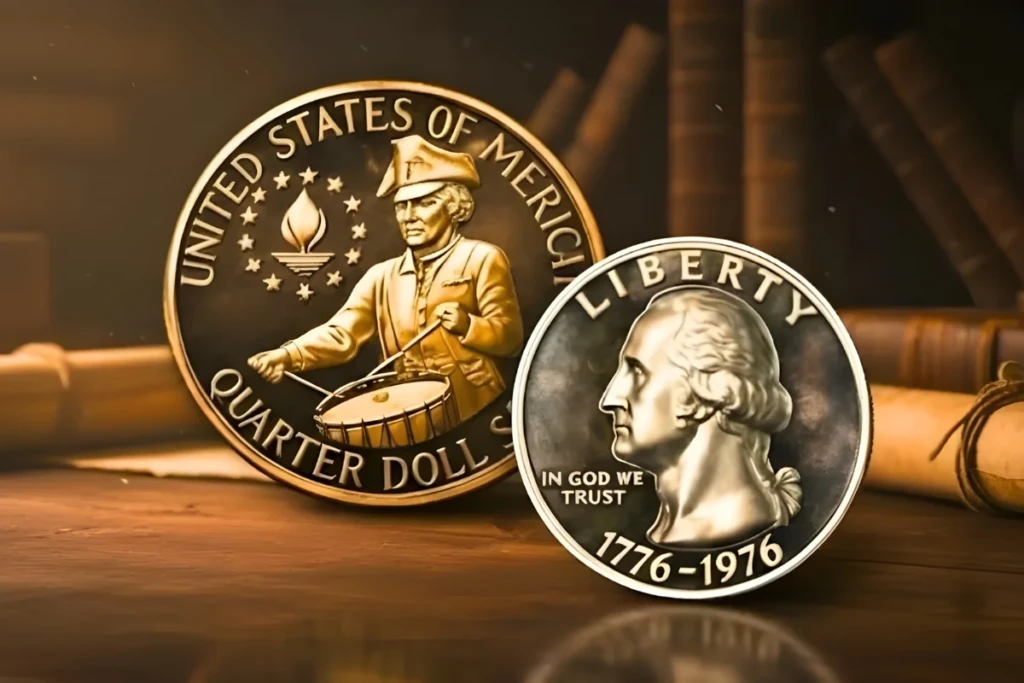
Bicentennial Quarter 2026 Value Guide : The value of the 2026 Bicentennial Quarter is generating intense interest among both coin collectors and ordinary Americans. This modern commemorative coin celebrates a significant national milestone and combines patriotic appeal and numismatic significance. Whether you’re a seasoned collector or a first-time buyer, understanding its value is crucial before making any decisions.
This quarter falls into the Modern Commemorative category within U.S. coinage. It targets both general collectors and serious numismatists seeking pieces related to special anniversaries. Its current market relevance is increasing as the 2026 release window approaches.
Coin Specifications
The 2026 Bicentennial Quarter is a standard-size U.S. quarter with a diameter of 24.26 mm and a weight of 5.67 grams. Its reeded edge has 119 reeds, consistent with standard quarter production. The obverse features a classic portrait of George Washington, while the reverse features updated commemorative images depicting the 250th anniversary of American independence.
This coin is being produced in both circulation and collector-grade formats. Proof and uncirculated versions are available directly through official Mint channels, making it accessible to most collectors.
Metal Composition
The standard circulation Bicentennial Quarter 2026 is made of a copper-nickel clad structure. The outer layers consist of 75% copper and 25% nickel, bonded to a pure copper core. This composition accounts for the coin’s total metallic content and gives it its familiar silver-like appearance, without any actual silver.

Special Collector Editions include 90% silver Proof versions. These silver variants have significantly higher intrinsic and collectible value than their clad counterparts, making them particularly attractive to precious metal investors and advanced collectors.
Rarity and Demand
Rarity directly impacts the value of the Bicentennial Quarter 2026 in all grades. Circulation strikes are produced in the millions, making them common in everyday commerce. However, the production numbers of the lower-mintage Proof versions and Silver variants are very low, making them a real scarcity in the collector market.
Demand is currently high and continuing to grow. Anniversary coins associated with historic national events have historically attracted collectors across generations. First-strike designations and early release labels further enhance their popularity among registry set builders and competitive collectors.
Minting Details
The Bicentennial Quarter 2026 is produced at several U.S. Mint facilities. Coins struck in Philadelphia have no mint mark, while those struck in Denver have a D mint mark. San Francisco issues proof versions with an S mint mark, and West Point produces some special silver editions with a W mark.
Each mint facility contributes to different production volumes. The San Francisco and West Point issues generally have the lowest mintages, which directly supports their premium status in the collector market and adds significant value to those special variants.
Condition and Grading
Condition plays a significant role in determining the value of the Bicentennial Quarter 2026. Coins are graded from 1 to 70 on the standard Sheldon scale. Circulated examples grading between MS-60 and MS-64 command a decent premium, while coins grading MS-65 and above command significantly higher prices in the current market.
Proof coins are evaluated using PR and PF designations. A PR-70 deep cameo specimen represents the highest grade available and typically sells for several times its face value. Professional grading from a service like PCGS or NGC adds authenticity and liquidity to any certified specimen.
Market Value
The value of the Bicentennial Quarter 2026 varies significantly depending on the specific variant and grade. A circulated clad specimen in average condition is valued around 25 cents above face value. Uncirculated clad specimens in MS-65 or higher are typically priced between $5 and $20, depending on the mint mark and strike quality.

Silver proof versions in PR-70 deep cameo condition are priced from $40 to $100 or more. Top-grade First-Strike and Early Release Certified coins command the highest premiums. Prices are expected to rise further as the official release date approaches.
Investment Potential
The investment potential associated with the value of the 2026 Bicentennial Quarter holds true for a modern coin. Silver Proof variants offer dual appeal through both precious metal content and numismatic premiums. As collector demand increases around the 250th anniversary of American independence, prices for top-grade examples will rise.
Low-mintage San Francisco and West Point issues offer the greatest long-term returns. Collectors who purchase certified MS-70 or PR-70 examples early in the release cycle have historically benefited from price increases as population reports increase and competition in the market for the best-known specimens increases.
Conclusion
The value of the 2026 Bicentennial Quarter represents a strong combination of rarity, patriotic significance, and numismatic depth. With Silver Proof versions in top grades fetching up to $100 or more, and low-mintage issues offering genuine scarcity, this coin deserves serious attention from both collectors and investors.
Its specifications are standard, yet its commemorative value elevates it above ordinary coins. Whether a clad circulation strike or a preferred Silver Proof, acquiring a certified top-grade example now is a good strategy, before demand fully increases in the broader market.