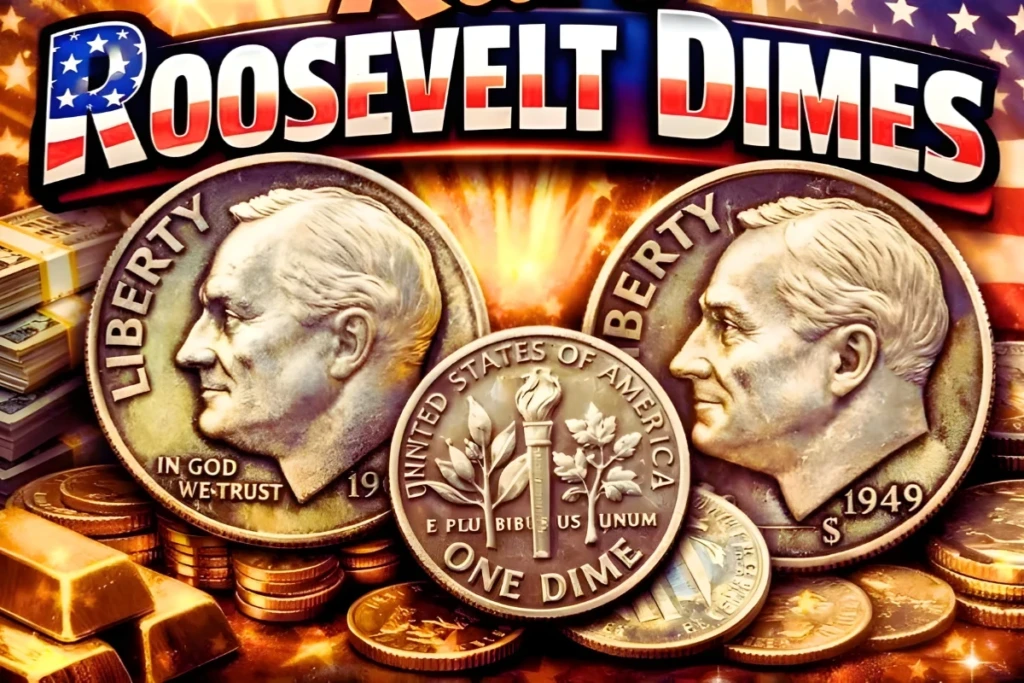
The Top 7 Rare Roosevelt Dimes are a fascinating part of American coin history, demonstrating how small variations in minting can transform common coins into valuable collectibles. Introduced in 1946 in honor of President Franklin D. Roosevelt, the Roosevelt dime quickly became one of the most widely circulated coins in the United States. While most examples are common and worth face value only, some rare versions stand out due to minting errors, low production numbers, or unique features.
These rare coins have attracted the attention of both collectors and historians. Their scarcity, combined with the historical period in which they were minted, makes them particularly interesting pieces of American numismatic heritage. Understanding the background and features of these dimes helps explain why some examples fetch such high prices in the collector market.
History of the Roosevelt Dime
Shortly after Franklin D. Roosevelt’s death in 1945, the Roosevelt Dime replaced the Mercury Dime in 1946. The U.S. Mint chose Roosevelt because of his deep connection to the March of Dimes campaign, which raised funds to fight polio. This connection immediately gave the coin symbolic significance nationwide.
Early Roosevelt dimes were composed of 90 percent silver and 10 percent copper. This silver composition continued until 1964, when rising silver prices forced the government to switch to a copper-nickel clad composition. Because of this change, silver Roosevelt dimes from earlier years have become more desirable among collectors.
Minting Variations
One of the main reasons some Roosevelt dimes are rare is due to minting variations. These variations may include double designs, missing mint marks, or unusual die features that occurred during production. Such features are often subtle but are very important to collectors.
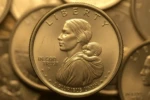
The U.S. Mint operates in several locations, including Philadelphia, Denver, and San Francisco. Each mint location applies its own mint mark to coins, helping collectors identify where a particular coin was produced. Rare dimes often result from a unique combination of mint marks and production errors.
Overview of Rare Coins
Although millions of Roosevelt dimes have been minted since 1946, only a few are considered truly rare. These coins often come from specific years or unique minting circumstances. Their rarity is measured by the number of surviving examples, historical demand, and overall condition.
The table below lists seven Roosevelt dime varieties that are well-known for their scarcity and collector interest. Values can vary depending on condition, but these examples show how quickly values can rise when rarity is factored in.
| Rare Roosevelt Dime | Year | Mint Mark | Key Feature | Approx. High Value |
|---|---|---|---|---|
| No-S Proof Dime | 1975 | None | Missing San Francisco mint mark | $450,000+ |
| No-S Proof Dime | 1968 | None | First missing mint mark proof | $40,000+ |
| Doubled Die Obverse | 1964 | Philadelphia | Strong doubled lettering | $10,000+ |
| Transitional Error | 1982 | No Mint Mark | Early mint mark omission | $1,500+ |
| Silver Proof Variety | 1950 | Philadelphia | Low mintage proof | $2,000+ |
| Full Bands Example | 1949 | Denver | Exceptional strike quality | $3,000+ |
| Early Silver Strike | 1946 | Philadelphia | First year production rarity | $2,500+ |
Silver Composition Era
The period between 1946 and 1964 is often called the Silver Era of Roosevelt dimes. During these years, each coin contained a significant amount of silver, giving them an intrinsic metal value far higher than their face value. This silver content alone makes them attractive to both collectors and investors.

Coins from this era are particularly sought after if they are in high grade or have special minting features. Because many silver dimes were melted down when silver prices rose in the 1970s, surviving examples in good condition have become more difficult to find.
Proof Coin Rarity
Proof coins are coins produced specifically for collectors using polished dies and carefully crafted planchets. They display sharper details and a mirror-like surface than regular circulation coins. Because proof coins are produced in small numbers, some varieties become very rare.
The 1975 No. S Proof Roosevelt Dime is one of the most famous examples. Only a few specimens exist, making it one of the rarest U.S. coins today. The missing mint mark was an accidental minting error that transformed a common proof coin into a coveted collectible.
The Importance of the Mint Mark
The mint mark plays a major role in determining how rare Roosevelt dimes are. A small letter on the coin identifies the mint where it was minted. The most common marks include “P” for Philadelphia, “D” for Denver, and “S” for San Francisco.
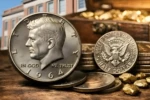
When a mint mark is missing, incorrectly applied, or made during a change, it can create a rare variety. Collectors carefully study these details because they provide valuable information about the coin’s production history.
Collector Market Demand
Demand within the coin collecting community significantly impacts the price of rare Roosevelt dimes. When collectors compete for certain iconic examples, prices can skyrocket. Auction results often reflect the intensity of this demand.
Condition also plays a significant role in determining value. Coins with sharp details, intense luster, and minimal wear are graded higher and typically command higher prices. Professional grading services have helped collectors standardize how to evaluate and trade these coins.
The Coins’ Historical Legacy
Rare Roosevelt dimes are more than just collectible currency; they also represent significant moments in American economic and cultural history. From the Silver Age to modern proof minting, each variation tells the story of how the U.S. Mint has adapted to changing circumstances.
These coins also show how small production details can create long-lasting historical items. What began as everyday pocket change has become a fascinating field of study in numismatics, where rarity, craftsmanship, and history intersect in unexpected ways.