1964 Kennedy Half Dollar is one of the most discussed coins in modern American numismatics. Introduced shortly after the assassination of President John F. Kennedy, the coin quickly became both a national symbol and a valuable collectible. Its historical background, silver composition, and strong emotional connection with Americans helped it stand out among U.S. circulating coins.
The coin was first issued in 1964 and immediately captured public attention. Many people saved it instead of spending it, which created a unique situation where a circulating coin also became a widespread collectible.
Historical Coin Origin
The 1964 Kennedy Half Dollar was created just months after President Kennedy was assassinated in November 1963. The U.S. Mint moved quickly to honor the president by placing his portrait on the half-dollar coin.
Congress approved the design change, replacing the Benjamin Franklin half dollar that had been in circulation since 1948. By early 1964, the new coin entered circulation, becoming an instant symbol of remembrance across the United States.
Presidential Memorial Design
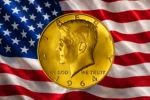
The design of the coin features a left-facing portrait of President John F. Kennedy on the obverse side. The image was based on a presidential medal designed by U.S. Mint Chief Engraver Gilroy Roberts.
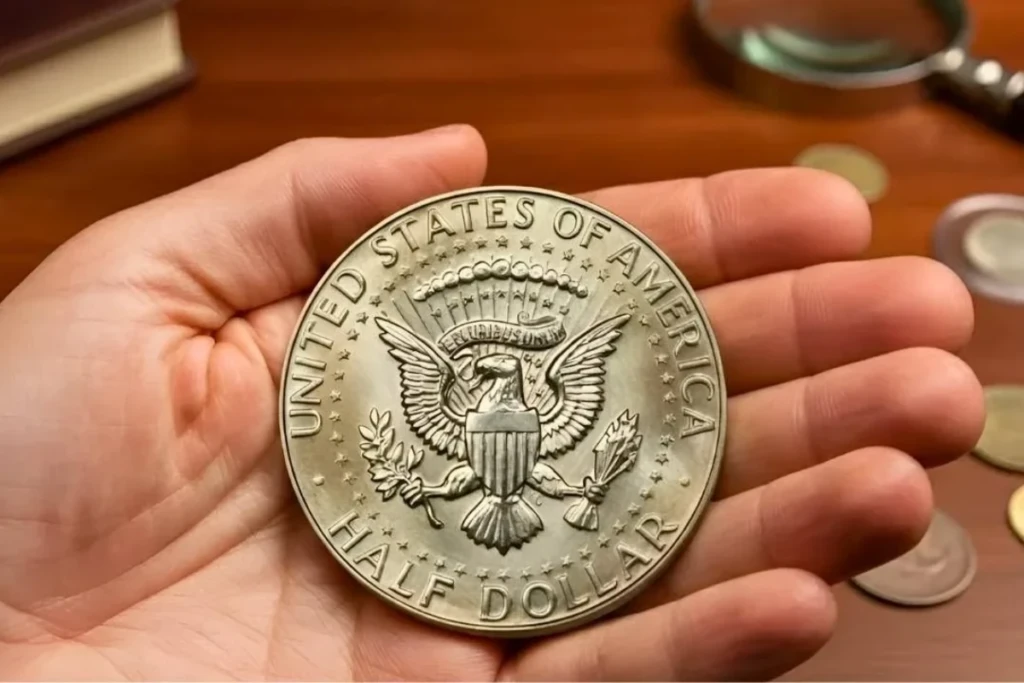
The reverse side shows the Presidential Seal, designed by Frank Gasparro. The eagle holding arrows and an olive branch reflects national strength and peace, making the design both symbolic and recognizable.
Silver Composition Value
One reason the 1964 Kennedy Half Dollar remains important is its silver content. Unlike later versions of the coin, the 1964 issue contains 90 percent silver and 10 percent copper.

This composition gives the coin intrinsic metal value in addition to collectible value. When silver prices rise, the melt value of the coin also increases, making it appealing to both collectors and precious metal investors.
Nationwide Public Demand
When the coin was released in 1964, Americans rushed to banks to obtain rolls of the new half dollars. The emotional impact of Kennedy’s death encouraged many people to save the coins as keepsakes.
Because millions of people held onto the coins, circulation became limited. This unusual behavior contributed to the coin’s long-term reputation as a collectible rather than just everyday currency.
Mint Production Statistics
The U.S. Mint produced a large number of these coins to meet public demand. Two mint locations were responsible for the production of the 1964 Kennedy Half Dollar.
Despite the large mintage numbers, high-grade specimens remain valuable because most coins experienced wear or were stored improperly over time.
| Mint Location | Mint Mark | Coins Produced |
|---|---|---|
| Philadelphia Mint | No mint mark | 273,304,004 |
| Denver Mint | D | 156,205,446 |
| Total Production | — | 429,509,450 |
These figures show how massive the coin’s production was, yet collector demand continues decades later.

Collector Market Interest
Coin collectors often seek the 1964 Kennedy Half Dollar because it represents the first year of the series. First-year coins frequently carry greater historical appeal in numismatics.
Collectors also look for coins with sharp details, minimal wear, and strong luster. Coins preserved in mint condition can command much higher prices than common circulated examples.
Silver Market Influence
Because the coin contains real silver, its value partially follows fluctuations in the precious metals market. When silver prices increase, the minimum value of the coin usually rises as well.
Even worn coins typically sell above face value due to their silver content. This combination of historical significance and metal value keeps the coin relevant in both collector and investment discussions.
Long Term Popularity
The Kennedy Half Dollar series continues today, but the 1964 version remains unique. It was the only year the coin was produced with a full 90 percent silver composition for circulation.
Later coins from 1965 to 1970 used a reduced silver content, and eventually the coin transitioned to a copper-nickel composition. That change made the original 1964 version stand apart from later issues.

Numismatic Cultural Symbol
Beyond metal value and mintage numbers, the 1964 Kennedy Half Dollar represents a moment in American history. It reflects a national tribute during a time of mourning and unity.
For many Americans, the coin carries sentimental meaning in addition to collectible importance. That cultural connection helps maintain strong interest from collectors, historians, and everyday citizens.
Grading And Condition
The value of a 1964 Kennedy Half Dollar depends greatly on its condition. Coin grading evaluates factors such as wear, luster, surface marks, and overall preservation.
Coins graded at higher levels are far less common because many examples were heavily handled or stored improperly. As a result, pristine specimens attract significant attention in the numismatic market.
Modern Market Recognition
Today the 1964 Kennedy Half Dollar remains one of the most recognized modern U.S. coins. Its story combines history, emotion, and precious metal content in a single piece of currency.
Collectors often consider it an entry point into coin collecting, while experienced numismatists appreciate its historical context and role in American monetary history.